(203) 550-1846
 rwinsulation@gmail.com
Home Insulation
Spray foam insulation is one of the most effective upgrades you can make to a Fairfield County or Westchester County home. It seals the small gaps and cracks that fiberglass batts and blown-in insulation simply can’t reach, turning a leaky, drafty house into a tightly sealed building envelope. The result is a home that stays warmer in winter, cooler in summer, and easier on your energy bill — homeowners who upgrade to spray foam insulation typically save up to 40% on heating and cooling costs.
Open-Cell vs. Closed-Cell Spray Foam
We install both open-cell and closed-cell polyurethane spray foam, and choose the right one for each area of your home based on the R-value, moisture exposure, and structural needs of that space.
Open-cell spray foam has an R-value of roughly 3.5 to 4.5 per inch of thickness. It has a softer, more flexible texture than closed-cell foam, which makes it an excellent air barrier and one of the most effective materials available for blocking airborne sound between rooms and floors. Because it uses less material to fill a cavity, open-cell foam is also more budget-friendly than closed-cell foam, which makes it a popular choice for interior walls and attic spaces where moisture isn’t a major concern.
Closed-cell spray foam has a higher R-value, typically between 6 and 7.5 per inch, and cures into a rigid, dense material. Beyond its superior thermal performance, closed-cell foam adds real structural rigidity to the wall or roof assembly it’s sprayed into, acts as its own vapor barrier, and is highly resistant to moisture and air leakage. That combination is why it’s the preferred choice for basements, crawl spaces, and rim joists — the areas of a home most exposed to ground moisture — though it can also be used on attics and above-grade walls where extra strength or moisture resistance is a priority.
Whichever type is right for your project, spray foam expands on contact to fill every crack, gap, and irregular framing cavity — sealing off the tiny openings around wiring, plumbing penetrations, and window and door framing that traditional batt insulation leaves exposed. That complete seal also helps block airborne allergens, dust, and pollen from entering your living space, which is a meaningful benefit for households with allergy or asthma concerns.
Where We Install Spray Foam Insulation
Heat loss and outside air infiltration don’t happen evenly across a home — a handful of specific areas are usually responsible for most of a home’s energy loss. We insulate all of the following:
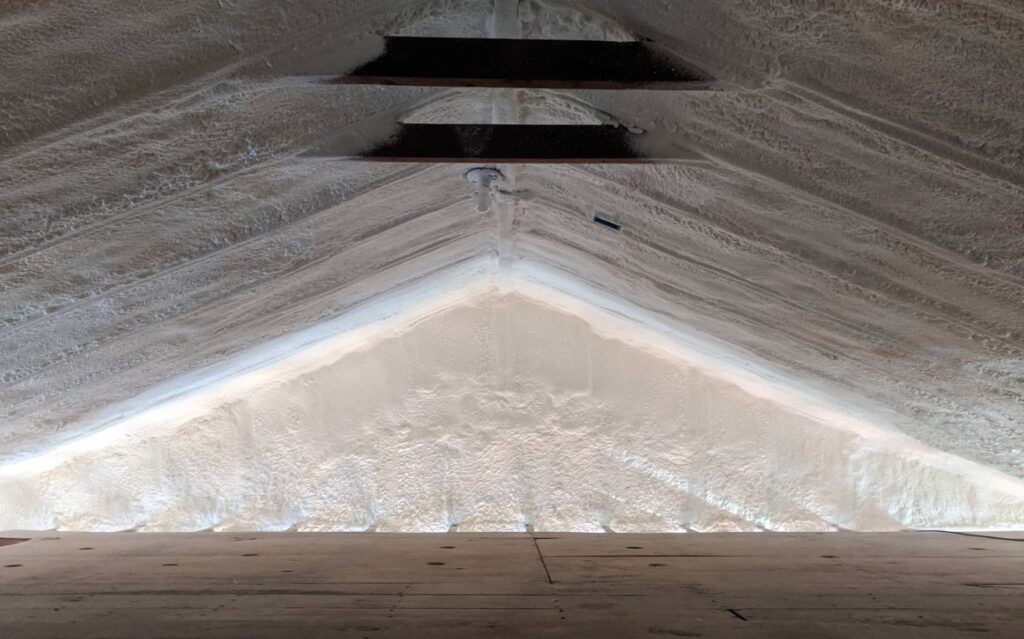
- Attic — Warm air rises, and an under-insulated attic is often the single biggest source of winter heat loss (and summer heat gain) in a home. Spray foam applied to the underside of the roof deck or over the attic floor closes this gap completely.
- Exterior and interior walls — Sealing exterior wall cavities stops drafts and outside air infiltration at the source, while interior walls can be foamed for soundproofing between rooms, floors, or an attached garage.
- Basement — Foundation walls are a major, often-overlooked source of both heat loss and moisture intrusion. Closed-cell foam applied directly to foundation walls seals both problems at once.
- Garage — Whether it’s an attached garage that shares walls with living space or a detached structure you want to make usable year-round, spray foam creates a conditioned, comfortable space out of what is normally one of the least insulated parts of a home.
- Crawl space — An unsealed crawl space is a direct path for cold air, moisture, and even pests to enter your home from below. Encapsulating and insulating a crawl space with closed-cell foam addresses all three at once.
- What to Expect From the Process
Every project starts with a free, no-obligation consultation and estimate. Using specialized tools and techniques, our team inspects your home for air leaks, checks existing insulation levels, and answers every question you have before any work begins. On the day of installation, our crew protects the areas surrounding the work zone, sprays the foam in controlled lifts to the specified thickness, and leaves the space clean when the job is finished — we treat every home the way we’d want a contractor to treat our own.
Why Homeowners Choose Right Way Insulation
The Right Way Construction LLC is a family-owned, fully licensed and insured insulation company that has served homeowners throughout Fairfield County, New Haven County, and Litchfield County in Connecticut, as well as Westchester County, New York, since 2017. We build long-term relationships with our clients rather than treating any job as a one-time transaction, and our team pays close attention to the details other crews skip — including leaving your home as clean as we found it.
Upgrading to spray foam insulation is one of the most cost-effective ways to make your home healthier, quieter, and more energy-efficient year-round. If you’re ready to stop losing money through drafty walls, an under-insulated attic, or a damp basement, request your free quote today and find out exactly where your home is losing energy.
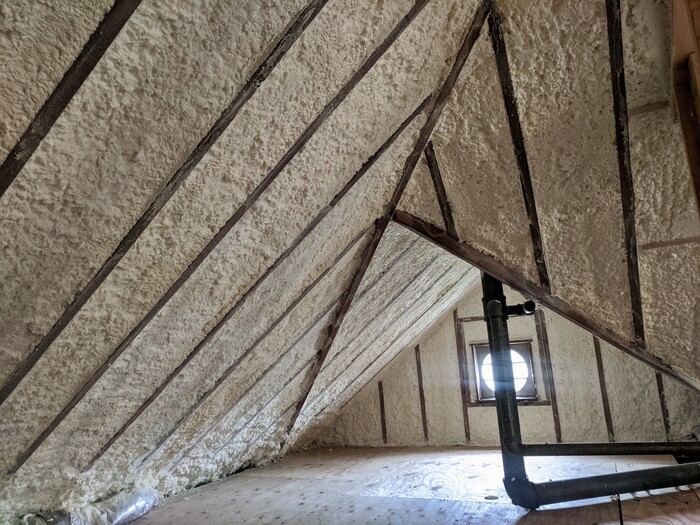
Attic
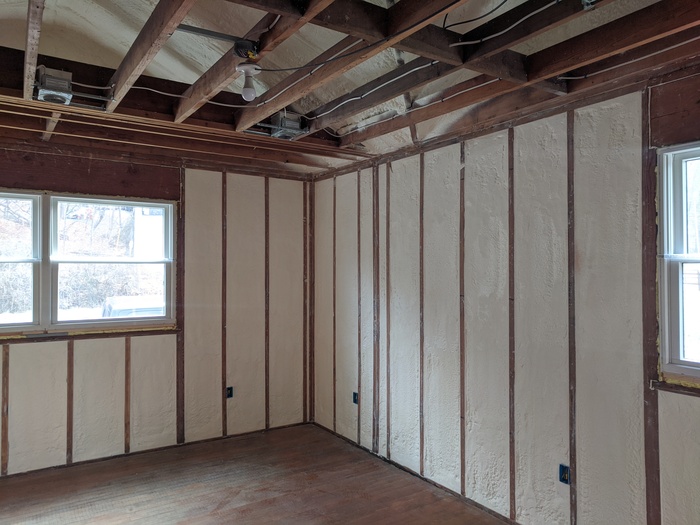
Exterior / Interior walls
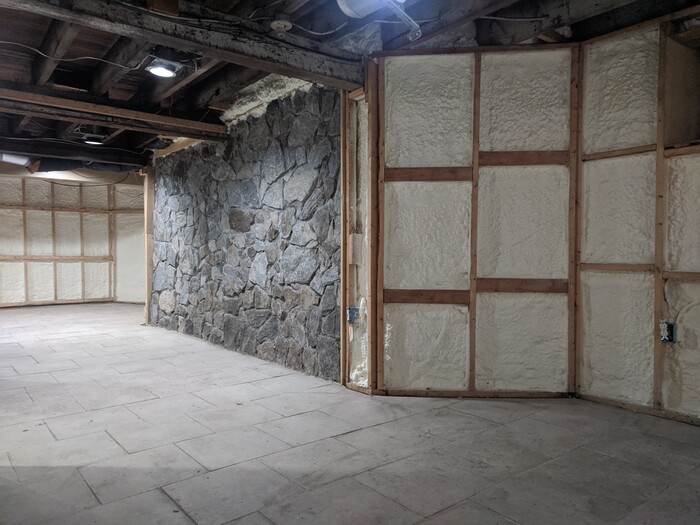
Basement
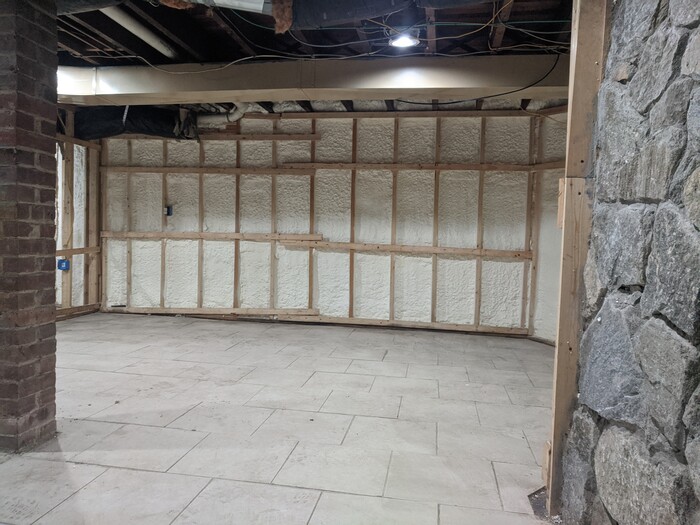
Garage
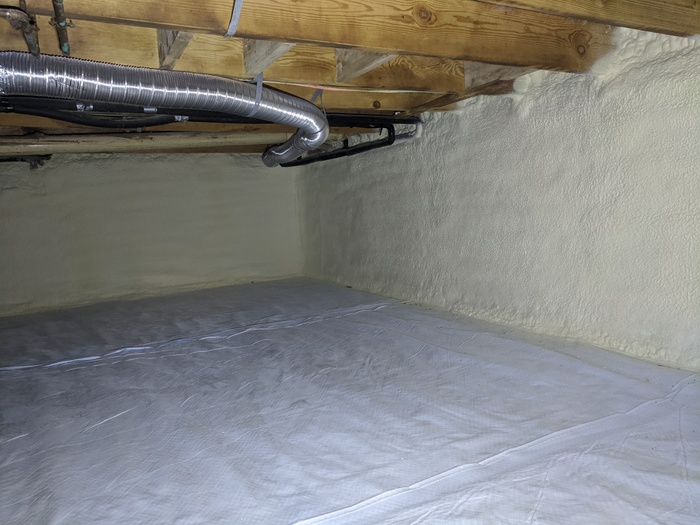
Crawl Space
Our Company provides FREE consultation and FREE estimate. With the special tools and techniques, our consultant will check air leaks and explain every question.
Upgrading your home with spray foam insulation, you create a comfortable living space for you and your family.
Frequently Asked Questions
How much does spray foam insulation cost in Fairfield County?
Cost depends on the size of the area, the type of foam (open-cell or closed-cell), and how easy the space is to access. We provide a free, no-obligation estimate after a short assessment of your home.
What is the difference between open-cell and closed-cell spray foam?
Open-cell foam is lighter, more affordable, and works well for sound dampening in interior walls. Closed-cell foam is denser, has a higher R-value per inch, and adds moisture resistance and structural rigidity.
Do I need a permit to install spray foam insulation in Connecticut?
Many insulation projects in Connecticut require a building permit, especially for new construction, additions, or work affecting fire-rated assemblies. We can help you understand what applies to your specific project.
Is spray foam insulation safe for my family?
Yes, once fully cured. During installation and for a short period afterward, the treated area should be ventilated and unoccupied, following the foam manufacturer's safety guidelines.
How long does a home insulation project take?
Most residential projects, such as an attic or crawl space, are completed in a single day. Larger jobs may take one to three days depending on scope.
Can spray foam insulation help prevent moisture and mold?
Closed-cell spray foam acts as a moisture barrier, which helps reduce the conditions that lead to mold growth. It will not fix an existing water intrusion problem.
Are there rebates available for spray foam insulation in Connecticut?
Connecticut homeowners may qualify for rebates through the Energize CT Home Energy Solutions program. We recommend asking us during your estimate or checking the current program requirements.
How much can I save on energy bills with spray foam insulation?
Properly sealing and insulating attics, walls, and crawl spaces with spray foam can reduce heating and cooling costs by up to 40%, by eliminating air leaks that traditional insulation does not fully stop.
Nearby Towns We Serve: Stamford, CT · Greenwich, CT · Darien, CT · New Canaan, CT · Norwalk, CT · Westport, CT · Fairfield, CT · Wilton, CT · Ridgefield, CT · Weston, CT — See all service areas →